Medical Taboos in Thai Temples

Apr 14, 2025 By Michael Brown

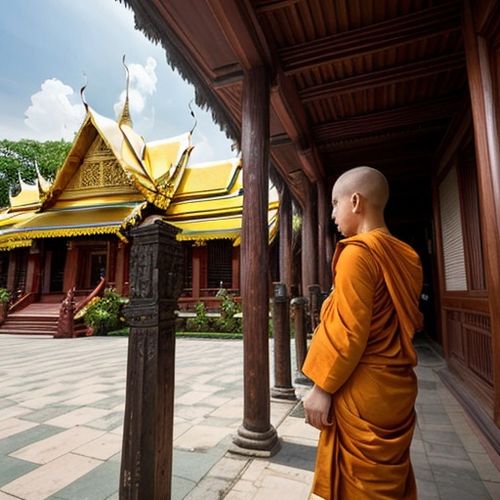
Thailand’s temples, known as wat, are not only spiritual sanctuaries but also centers of traditional healing. For centuries, monks have played a dual role as religious guides and practitioners of herbal medicine, offering remedies for physical and mental ailments. However, beneath this seemingly harmonious blend of spirituality and healthcare lies a complex web of cultural taboos and restrictions. Visitors seeking temple-based treatments must navigate these unspoken rules carefully, as violating them can lead to social ostracization or even legal consequences.


The relationship between Buddhism and traditional medicine in Thailand is deeply intertwined. Monks often receive training in herbal remedies, massage techniques, and spiritual healing practices passed down through generations. Many temples, particularly in rural areas, serve as de facto clinics for locals who may not have access to modern healthcare. Yet, this system operates under strict religious guidelines that outsiders frequently misunderstand. The very act of seeking healing within a sacred space comes with expectations of proper conduct that extend far beyond Western notions of medical etiquette.


One of the most critical taboos involves the handling of sacred objects during treatment. Amulets blessed by monks, for instance, are believed to carry protective energies and must never be placed below the waist or treated disrespectfully. Patients receiving herbal compresses or oil treatments must ensure these objects remain elevated at all times. Similarly, temple grounds often contain spirit houses and Buddha images that demand specific protocols—walking between a patient and such sacred items during treatment sessions is considered highly inappropriate.


The gender divide presents another layer of complexity in temple healthcare. In accordance with monastic rules, Thai Buddhist monks cannot physically touch women. This creates significant limitations for female patients seeking traditional massage or hands-on healing. Some temples have developed workarounds, employing trained lay practitioners to assist female visitors, while others simply refuse to treat women altogether. Foreign women often unknowingly breach these protocols by extending their hands for assistance or sitting too close to monks during consultations.


Dietary restrictions form another crucial aspect of temple medicine that many Western visitors find surprising. Certain healing regimens require strict adherence to food prohibitions that may last weeks or months. Garlic and onions, staples in Thai cuisine, are frequently banned during treatment as they’re believed to stimulate carnal desires incompatible with spiritual healing. Alcohol consumption while undergoing temple-based therapies isn’t just discouraged—it’s viewed as rendering the entire treatment ineffective. These rules stem from ancient Ayurvedic principles that view certain foods as disrupting bodily energies.


Perhaps the most sensitive taboo involves discussing terminal illnesses within temple grounds. Thai culture maintains strong beliefs about the power of spoken words, and directly mentioning conditions like cancer or HIV/AIDS within sacred spaces is thought to manifest negative outcomes. Healers often employ euphemisms or indirect language when discussing serious diagnoses. This creates challenges for Western patients accustomed to straightforward medical terminology, sometimes leading to dangerous misunderstandings about treatment plans or prognoses.


The timing of treatments also follows esoteric rules unfamiliar to most visitors. Lunar cycles dictate when certain herbs can be harvested or when specific therapies should be administered. The Buddhist holy days (known as wan phra) often limit available treatments, as monks dedicate these periods entirely to spiritual practice. Patients insisting on procedures during forbidden times may find their requests politely but firmly denied, regardless of the severity of their condition.


Financial contributions present another minefield of potential missteps. While temple medicine is theoretically offered without set fees, the system operates on intricate dana (donation) customs. Offering too little money can insult the practitioners, while giving too much may violate monastic vows of poverty. The proper amount varies by region, temple status, and treatment type—a calculus few foreigners comprehend. Many temples solve this by having lay attendants discreetly suggest appropriate donation ranges, but the transaction must never resemble a commercial exchange.


Photography during treatments represents a particularly modern violation of temple medical etiquette. The rise of social media has led to increasing incidents of visitors documenting their healing sessions without permission. In Thai Buddhist belief, capturing images of healing rituals disrupts the flow of spiritual energy and violates patient privacy in ways Westerners often fail to appreciate. Some temples now outright ban cameras and smartphones from treatment areas, while others require signed agreements before allowing any documentation.


The use of language during healing sessions carries its own set of restrictions. Patients must avoid confrontational speech or loud voices that might disturb the temple’s meditative atmosphere. Even expressions of pain during rigorous massage or moxibustion therapies should be muted—outbursts are considered disrespectful to both the healer and the sacred environment. This cultural expectation leads some foreign patients to endure treatments beyond their comfort level rather than risk offending their hosts.


Ultimately, Thailand’s temple medicine system reflects a worldview where physical health cannot be separated from spiritual well-being. The numerous taboos surrounding these practices aren’t arbitrary rules but integral components of a holistic healing philosophy. As medical tourism grows in Thailand, understanding these restrictions becomes increasingly important for visitors seeking alternative treatments. Those who take time to learn and respect these cultural nuances often find their temple healthcare experience far more rewarding—both physically and spiritually.


Recommend Posts
Life

Maintaining U.S. Credit Score

By Grace Cox/Apr 14, 2025

Maintaining a healthy credit score in America requires consistent effort and financial discipline. Unlike many countries where credit systems operate differently, the U.S. relies heavily on the FICO and VantageScore models to determine an individual's creditworthiness. These scores influence everything from loan approvals to interest rates and even rental applications. Understanding how to nurture your credit profile can mean the difference between financial flexibility and unnecessary hurdles.
Life

Automatic Inclusion of Tips in Europe"

By Emma Thompson/Apr 14, 2025

In many European countries, the practice of tipping has evolved into a more seamless and integrated system compared to other parts of the world. Unlike in the United States, where tipping is often seen as an obligatory addition to the bill, Europe has adopted a more subtle approach. Here, service charges are frequently included in the total amount, eliminating the need for customers to calculate or leave additional gratuities. This system reflects broader cultural attitudes toward service, wages, and hospitality.
Life

Japanese Change Dispenser

By Daniel Scott/Apr 14, 2025

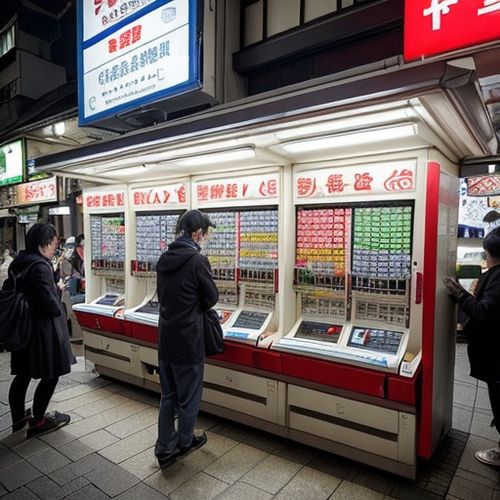
In the bustling streets of Japan, where cash transactions remain deeply ingrained in daily life, a unique financial convenience has emerged to address the perennial problem of loose change. Coin exchange machines, though a relatively niche service, have become an intriguing solution for both locals and tourists grappling with the weight of jingling pockets. These devices, often overlooked in discussions about Japan’s technological advancements, reveal a subtle yet profound intersection of practicality and cultural nuance.
Life

Airport Charging Pile Safety

By Rebecca Stewart/Apr 14, 2025

The growing reliance on electronic devices has made charging stations a common sight in airports worldwide. From smartphones to laptops, travelers depend on these facilities to keep their gadgets powered during layovers and delays. However, the increasing prevalence of airport charging stations has also raised concerns about safety and security. Incidents involving overheating, electrical faults, and even data breaches have prompted authorities to reevaluate the standards governing these essential amenities.
Life

German Privacy Protection VPN

By Emily Johnson/Apr 14, 2025

The growing concerns over digital privacy have led many internet users to seek reliable solutions for protecting their personal data. In Germany, where data protection laws are among the strictest in the world, the demand for trustworthy VPN services has surged. A VPN, or Virtual Private Network, encrypts internet traffic and masks the user's IP address, ensuring anonymity and security. For Germans, choosing the right VPN is not just about bypassing geo-restrictions—it's about safeguarding their fundamental right to privacy.
Life

Canadian Family Plan

By Megan Clark/Apr 14, 2025

Canada has long been recognized as a family-friendly destination, offering a diverse range of activities, attractions, and services tailored to households of all sizes. From the bustling urban centers of Toronto and Vancouver to the serene landscapes of the Rocky Mountains, the country provides an ideal setting for families seeking both adventure and relaxation. The concept of a "family package" in Canada extends beyond mere travel deals; it encompasses a holistic approach to ensuring that every member of the family, regardless of age, finds something to enjoy.
Life

Thailand Temporary SIM Card

By Emma Thompson/Apr 14, 2025

For travelers visiting Thailand, securing a local SIM card is often one of the first priorities upon arrival. The convenience of having a Thai number for navigation, ride-hailing apps, and staying connected with loved ones cannot be overstated. While permanent SIM cards require registration with a passport and proof of address, temporary or tourist SIM cards offer a hassle-free alternative for short-term visitors. These prepaid options are widely available at airports, convenience stores, and mobile carrier shops across the country.
Life

Korean 5G Roaming Setup

By Grace Cox/Apr 14, 2025

The rapid expansion of 5G networks across the globe has positioned South Korea as a frontrunner in the race for next-generation connectivity. With its cutting-edge infrastructure and widespread adoption, the country has become a benchmark for other nations looking to implement 5G technology. One critical aspect of this technological evolution is the seamless integration of 5G roaming services, allowing travelers to stay connected without compromising speed or reliability. As South Korea continues to refine its 5G capabilities, understanding the intricacies of its roaming setup becomes essential for both consumers and industry stakeholders.
Life

Signal in Remote Areas of Australia

By Christopher Harris/Apr 14, 2025

Australia's vast and sparsely populated remote regions have long faced challenges in maintaining reliable telecommunications infrastructure. The sheer size of the country, combined with harsh environmental conditions, creates unique obstacles for delivering consistent mobile and internet connectivity to rural communities, mining operations, and indigenous settlements. While urban centers enjoy high-speed networks, many remote areas still struggle with patchy coverage or complete signal blackspots that impact daily life and economic opportunities.
Life

Comparison of Broadband Services in US Neighborhoods

By Joshua Howard/Apr 14, 2025

For many Americans, choosing the right broadband provider for their neighborhood can feel overwhelming. With so many options available, each promising lightning-fast speeds and unbeatable reliability, how do you know which one truly delivers? The answer often depends on where you live, your budget, and what you need from your internet connection. This report dives into the realities of community broadband comparisons across the U.S., examining regional disparities, hidden costs, and the evolving landscape of high-speed internet access.
Life

Social Media Restrictions in the Middle East

By Noah Bell/Apr 14, 2025

The Middle East has long been a complex landscape for social media platforms, where governments balance cultural values, security concerns, and digital innovation. Across the region, varying degrees of restrictions create a patchwork of online experiences that reflect each nation's unique political and social priorities.
Life

European Cross-Border Data Plan

By Grace Cox/Apr 14, 2025

The European cross-border data roaming package has become a game-changer for travelers and businesses operating across multiple EU countries. With the abolition of roaming charges within the European Union, consumers can now use their mobile data, calls, and texts seamlessly while crossing borders. This revolutionary shift has not only simplified connectivity but also fostered economic integration across member states.
Life

Connecting to Japanese Public WiFi

By Joshua Howard/Apr 14, 2025

Japan has long been recognized as a global leader in technological infrastructure, and its public WiFi connectivity is no exception. With millions of tourists visiting each year and a highly mobile domestic population, the country has invested heavily in ensuring seamless internet access across cities, transportation hubs, and even rural areas. The availability of public WiFi in Japan reflects both its commitment to convenience and its vision of a digitally connected society.
Life

Antarctic Expedition Medical Kit

By Victoria Gonzalez/Apr 14, 2025

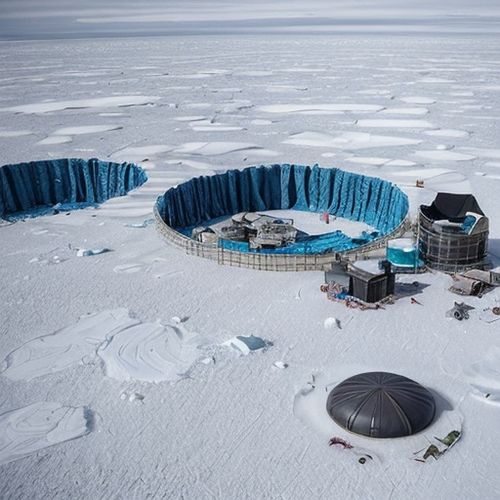
The vast, frozen expanse of Antarctica presents unique challenges for those who brave its harsh environment. Among the most critical concerns is healthcare, where isolation and extreme conditions demand specialized medical solutions. The Antarctic expedition medical kit is not just a collection of bandages and painkillers; it’s a lifeline, meticulously designed to address the unpredictable and often life-threatening scenarios that can arise in one of the most remote places on Earth.
Life

UK NHS Emergency Triage分级

By Grace Cox/Apr 14, 2025

The National Health Service (NHS) in the UK operates one of the most complex yet efficient emergency care systems in the world. At the heart of this system lies the emergency triage process, a method designed to prioritize patients based on the severity of their condition rather than the order in which they arrive. This approach ensures that those in critical need receive immediate attention, while others are treated as resources allow. The NHS emergency care system is often lauded for its ability to manage high patient volumes under immense pressure, though it is not without its challenges.
Life

Preventing Altitude Sickness in the Swiss Alps

By Christopher Harris/Apr 14, 2025

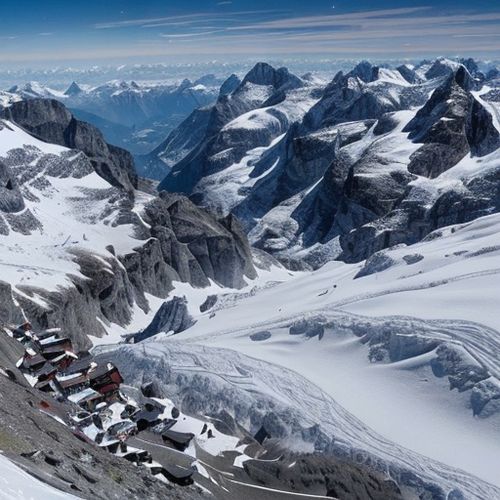
Switzerland's majestic Alpine landscapes attract millions of visitors each year, offering breathtaking vistas and world-class skiing. However, the high-altitude environment poses unique health challenges, particularly acute mountain sickness (AMS). Understanding how to prevent and manage altitude-related illnesses is crucial for anyone venturing above 2,500 meters in the Swiss Alps.
Life

Renewal of Canadian Prescription Medications

By Lily Simpson/Apr 14, 2025

For many Canadians, prescription medication is a vital part of maintaining health and managing chronic conditions. However, the process of renewing prescriptions can sometimes be confusing, especially for those unfamiliar with the healthcare system. Whether you're a long-time resident or new to Canada, understanding how to renew your prescriptions efficiently is crucial to avoiding interruptions in your treatment.
Life

Dubai High-Temperature Hydration Guide"

By Laura Wilson/Apr 14, 2025

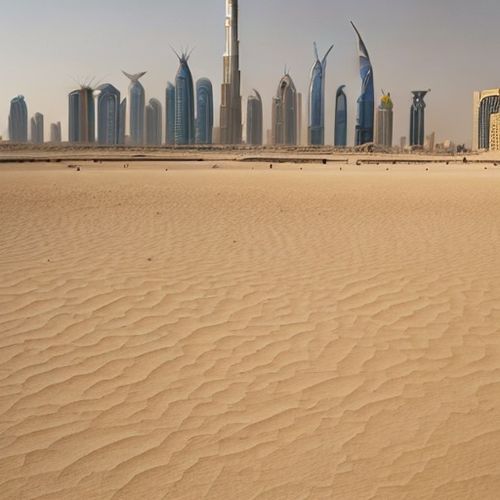
The scorching desert sun of Dubai doesn't just bring golden sands and year-round sunshine - it brings an invisible threat that catches many visitors off guard. Dehydration in this extreme climate isn't merely uncomfortable; it can rapidly become dangerous. The combination of soaring temperatures (often exceeding 40°C/104°F) and low humidity creates perfect conditions for fluid loss that many people underestimate until it's too late.
Life

Medical Taboos in Thai Temples

By Michael Brown/Apr 14, 2025

Thailand’s temples, known as wat, are not only spiritual sanctuaries but also centers of traditional healing. For centuries, monks have played a dual role as religious guides and practitioners of herbal medicine, offering remedies for physical and mental ailments. However, beneath this seemingly harmonious blend of spirituality and healthcare lies a complex web of cultural taboos and restrictions. Visitors seeking temple-based treatments must navigate these unspoken rules carefully, as violating them can lead to social ostracization or even legal consequences.
Life

Australian Sunscreen Coral Safe

By Noah Bell/Apr 14, 2025

The Australian coastline, home to the world’s largest coral reef system, faces an unexpected threat lurking in beach bags and bathroom shelves: sunscreen. While slathering on SPF protection is second nature to sun-conscious Australians, growing scientific evidence suggests that certain chemical filters in these products may contribute to coral reef degradation. The issue has sparked a national conversation about reef-safe sun protection, with consumers, researchers, and policymakers grappling with how to balance skin cancer prevention with marine conservation.