In the bustling aisles of modern supermarkets, a nutritional revolution is unfolding. Shelves are lined with products proudly flaunting their protein content, catering to a growing consumer demand for this essential macronutrient. The protein craze has swept across the United States, with many Americans convinced that more protein equals better health. But is this obsession with protein truly warranted, or is it a case of overindulgence? Let's delve into the science, the trends, and the practical steps to achieve a balanced and healthy protein intake.
Protein is one of the three main macronutrients, alongside carbohydrates and fats, that form the cornerstone of our diet. Unlike carbohydrates and fats, which can be synthesized by the body, protein is unique in its role as the sole macronutrient that supplies us with amino acids. These amino acids are the building blocks of life, essential for numerous bodily processes, including muscle growth and repair, hormone production, immune function, and maintaining healthy skin, hair, and nails.
While the human body can produce some amino acids, it cannot synthesize all of them. These "essential" amino acids must be obtained through diet. This is where dietary protein comes into play, making it a vital component of a balanced diet.
Determining the optimal amount of protein one should consume is a complex endeavor. The United States Recommended Dietary Allowance (RDA) for protein is set at 0.8 grams per kilogram of body weight (or 0.36 grams per pound) per day for adults aged 18 and older. This translates to approximately 54 grams of protein for a 150-pound person and 72 grams for someone weighing 200 pounds. Established jointly by the US Department of Agriculture and the US Department of Health and Human Services, the RDA represents the minimum amount of protein required to meet the basic needs of a relatively sedentary individual.
However, the RDA is just one piece of the puzzle. The Acceptable Macronutrient Distribution Range (AMDR), developed by the National Academies of Sciences, Engineering, and Medicine, provides a broader context for macronutrient intake. The AMDR recommends that protein should account for 10% to 35% of the total daily caloric intake for adults. The exact number of calories an individual should consume depends on factors such as age, sex, weight, and activity level.
Despite the scientific guidelines, the reality of protein consumption in the United States is a paradox. On one hand, most Americans are already consuming more than the recommended amount of protein. According to Dr. Tim Spector, a genetic epidemiologist and researcher at King’s College London, studies have shown that the average American consumes twice the RDA of protein. On the other hand, a significant portion of the population is still deficient in other essential nutrients, such as fiber.
Dr. Spector, who is also the author of several best-selling books, including "Food for Life: The New Science of Eating Well," notes that the protein obsession has led to a "brainwashed" mindset. Many people believe they need excessive amounts of protein to achieve optimal health, fitness, and performance. This belief is often fueled by social media influencers and marketing campaigns promoting high-protein diets and supplements.
Dr. Spector emphasizes the need for a more holistic approach to nutrition. While protein is indeed beneficial, particularly when sourced from plants, it is crucial to consider what it replaces in the diet. "We need to start thinking much more holistically," he says. "Most people are already getting enough protein, yet 90% of Americans are deficient in fiber."
Certain groups may require slightly more protein, such as older adults, individuals going through menopause, those recovering from serious illness, and people following restrictive diets. Additionally, athletes engaged in intense training may benefit from higher protein intake. However, for the majority of the population, the focus should be on quality rather than quantity.
If you find that you need to increase your protein intake or simply want to ensure you are consuming high-quality protein, here are Dr. Spector's top five tips:
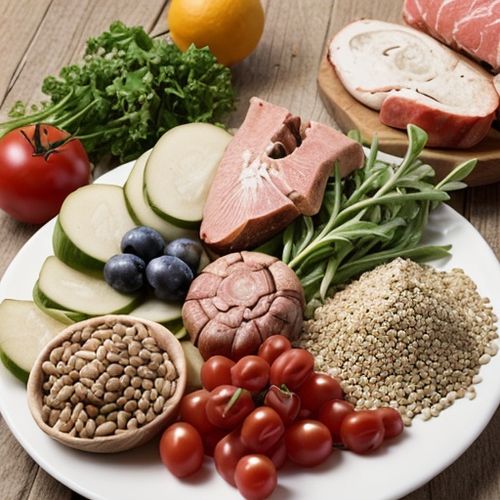
2. Whole Grains: Whole grains, such as barley, brown rice, buckwheat, bulgur, corn, millet, oats, quinoa, rye, and whole wheat, contain the entire grain kernel, including the bran, germ, and endosperm. "Whole grains are good for a wide range of reasons," says Dr. Spector. "They are a great source of fiber and include a wide range of micronutrients." Whole grains are also higher in protein than many people realize. For instance, oats contain 11 grams of protein per 100 grams, compared to 13 grams per 100 grams for eggs. Regularly consuming whole grains is associated with a reduced risk of many health conditions, such as heart disease and type 2 diabetes. An easy way to increase your whole grain intake is to swap refined grain products—like white rice, pasta, and bread—with their whole grain counterparts.
3. Mindful Meat Consumption: While meat is a great source of protein, excessive consumption, particularly of red and processed meats, can have negative health implications. "For your health and the health of the planet, it’s best to reduce your meat intake," advises Dr. Spector. He notes that many people worry about missing out on specific amino acids by relying solely on plant proteins. However, consuming a wide variety of plant-based protein sources ensures that you obtain all the necessary amino acids. Consider replacing half of the meat in your stews, chilis, or soups with lentils, beans, tofu, or tempeh. Alternatively, try incorporating one or two vegetarian or pescetarian days into your weekly routine. When you do eat meat, choose high-quality products and opt for leaner cuts.
4. Nuts and Seeds: Despite their relatively high fat content, nuts and seeds are excellent sources of healthy plant protein. They contain unsaturated fats, such as monounsaturated and polyunsaturated fats, which support overall health. "They’re also a good source of a wide range of vitamins and minerals," says Dr. Spector. If you are not a fan of eating nuts or seeds on their own, you can sprinkle them on various dishes—both savory and sweet—to add extra texture and flavor. Consider adding them to your yogurt parfait, salad, or stew. When choosing nut butters, opt for products with minimal ingredients and no added sugar or salt.
5. Soy Products: Soy is one of the few complete proteins in the plant world, making it an incredibly versatile and nutritious option. "Soy products contain fiber and are rich in vitamins and minerals," notes Dr. Spector. Tofu, tempeh, and edamame can easily be incorporated into a variety of dishes, from stir-fries to salads. By focusing on plant-based protein sources, you can achieve a balanced intake without relying on highly processed protein powders and snack bars.
In the quest for optimal health, the protein paradox highlights the importance of a balanced and holistic approach to nutrition. While protein is essential, the key lies in quality rather than quantity. Most Americans already consume sufficient protein, yet many are deficient in other crucial nutrients like fiber. By incorporating a variety of plant-based protein sources, such as beans, whole grains, nuts, seeds, and soy products, individuals can achieve a well-rounded and nutritious diet.
Dr. Tim Spector's insights remind us that nutrition is not about chasing the latest trend but about making informed choices that support overall well-being. So, the next time you find yourself reaching for a protein bar or considering a high-protein diet, take a step back and evaluate your overall nutritional intake. Focus on whole foods, variety, and balance, and you'll be well on your way to a healthier, more vibrant life.
By Samuel Cooper/Apr 16, 2025

By James Moore/Apr 16, 2025
By Sophia Lewis/Apr 16, 2025

By Michael Brown/Apr 16, 2025

By Christopher Harris/Apr 16, 2025

By Natalie Campbell/Apr 16, 2025

By George Bailey/Apr 16, 2025

By Thomas Roberts/Apr 16, 2025

By Natalie Campbell/Apr 16, 2025
By John Smith/Apr 16, 2025

By Emma Thompson/Apr 15, 2025

By Lily Simpson/Apr 15, 2025

By Noah Bell/Apr 15, 2025

By Victoria Gonzalez/Apr 15, 2025
By Benjamin Evans/Apr 15, 2025

By Joshua Howard/Apr 15, 2025

By Daniel Scott/Apr 15, 2025

By Amanda Phillips/Apr 15, 2025

By James Moore/Apr 15, 2025

By Grace Cox/Apr 15, 2025